Education

Education: The Cornerstone of Personal Growth and Societal Progress

Education stands as one of the most vital pillars upon which modern civilization is built. It is far more than the mere transmission of facts or the accumulation of knowledge; education shapes minds, cultivates values, and equips individuals with the tools necessary to navigate an ever-evolving world. This article delves into the multifaceted nature of education, exploring its significance, evolving methodologies, and the challenges and opportunities that define its future.

The Essence of Education: Beyond Knowledge Acquisition

At its core, education is the process by which individuals develop intellectually, emotionally, and socially. While acquiring information is undeniably important, the transformative power of education lies in fostering critical thinking, creativity, and empathy.

  • Holistic Development: True education nurtures the mind, character, and social awareness. It encourages learners to ask questions, seek diverse perspectives, and embrace lifelong curiosity.

  • Empowerment Through Learning: Education empowers individuals by expanding their horizons, improving decision-making abilities, and opening doors to opportunities in personal and professional realms.

  • Foundation for Democracy and Social Justice: An educated populace is essential for the health of democratic societies. Education promotes civic responsibility, social cohesion, and equity.

Historical Perspectives: Education Through the Ages

The journey of education is deeply intertwined with the evolution of human society. From ancient oral traditions to formal institutions, the methods and purposes of education have continually adapted.

  • Classical Education: In ancient civilizations such as Greece and Rome, education focused on rhetoric, philosophy, and civic duty, emphasizing moral and intellectual virtues.

  • Medieval and Renaissance Transformations: The rise of universities during the Middle Ages marked a turning point, institutionalizing scholarship and expanding access to knowledge.

  • Industrial Age and Mass Education: The 19th and 20th centuries saw the advent of compulsory schooling and public education systems aimed at preparing citizens for industrial economies.

Modern Education: Diverse Approaches and Innovations

Today’s educational landscape is rich with variety, reflecting cultural differences, technological advancements, and pedagogical innovations.

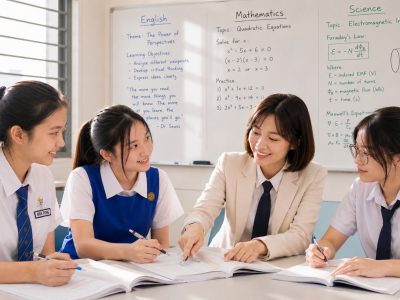
  • Traditional Classroom Learning: Despite technological advances, structured classroom environments with direct teacher-student interaction remain foundational in many educational systems.

  • Technology-Enhanced Learning: Digital tools, online courses, and virtual classrooms have revolutionized accessibility, allowing learners to engage with content at their own pace and convenience.

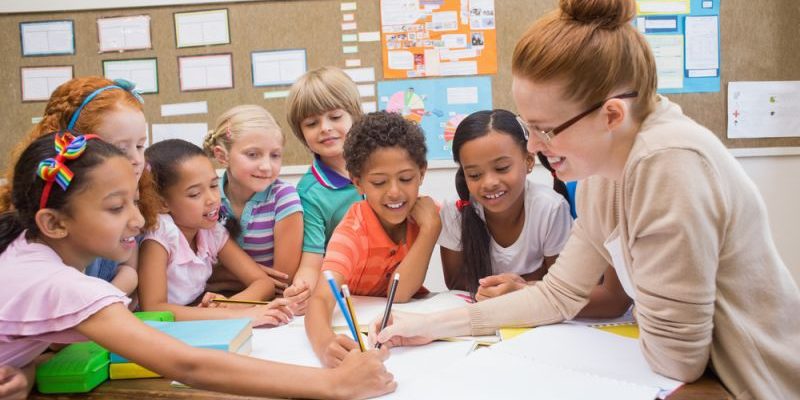
  • Experiential and Inquiry-Based Learning: Emphasizing hands-on experience, problem-solving, and collaboration, this approach encourages students to become active participants in their education.

  • Inclusive Education: Efforts to accommodate diverse learning needs and backgrounds have fostered more equitable environments, ensuring that education is accessible to all, regardless of ability or circumstance.

The Role of Educators: Guiding Lights in the Learning Journey

Teachers and mentors are indispensable in shaping educational experiences. Their influence extends beyond instruction to inspiration and support.

  • Facilitators of Growth: Effective educators adapt to individual learners’ needs, fostering curiosity and resilience.

  • Role Models and Mentors: Teachers impart values, encourage ethical thinking, and help students develop social skills.

  • Continuous Professional Development: To remain effective, educators engage in lifelong learning, adopting new methodologies and understanding evolving learner contexts.

Challenges in Contemporary Education

Despite its critical importance, education faces numerous obstacles that must be addressed to fulfill its promise.

  • Inequality and Access: Socioeconomic disparities, geographic limitations, and cultural biases continue to restrict educational opportunities for many.

  • Quality and Relevance: Ensuring that curricula remain relevant to modern realities and equip learners with applicable skills is an ongoing challenge.

  • Technological Divide: While technology offers vast potential, unequal access to digital resources can exacerbate educational inequities.

  • Mental Health and Well-being: Academic pressures and social dynamics can affect learners’ mental health, necessitating holistic support systems within educational institutions.

The Future of Education: Trends and Transformations

Looking ahead, education is poised to evolve in ways that respond to global challenges and leverage technological innovations.

  • Personalized Learning: Advances in artificial intelligence and data analytics promise to tailor educational experiences to individual learner profiles, optimizing engagement and outcomes.

  • Global Collaboration and Cultural Exchange: Education increasingly transcends borders, fostering intercultural understanding and cooperation in an interconnected world.

  • Focus on Skills for the Future: Critical thinking, emotional intelligence, digital literacy, and adaptability are becoming central to curricula designed for the 21st-century workforce.

  • Sustainability and Ethics in Education: Growing awareness of global environmental and social issues calls for education systems that cultivate responsible global citizens.

Practical Steps to Enhance Education Today

To realize the full potential of education, stakeholders must collaborate in meaningful ways.

  • Investing in Infrastructure: Building schools equipped with modern technology and resources is essential for creating conducive learning environments.

  • Teacher Training and Support: Continuous professional development and adequate remuneration help attract and retain talented educators.

  • Community and Parental Engagement: Active involvement of families and communities enriches the educational experience and supports student success.

  • Policy and Funding Reforms: Governments and organizations must prioritize equitable funding and policies that promote access and quality.

Conclusion: Education as a Lifelong Endeavor and Social Catalyst

Education is a dynamic and indispensable force that shapes not only individuals but the fabric of society itself. It is through education that knowledge transforms into wisdom, potential blossoms into achievement, and communities thrive in harmony and progress.

In a world characterized by rapid change and complexity, the pursuit of education demands commitment, creativity, and compassion. Embracing its evolving nature, we must strive to create systems that are inclusive, inspiring, and equipped to prepare learners for the challenges and opportunities of the future.

Ultimately, education is a journey without end—one that illuminates the path toward personal fulfillment and collective advancement.


What is your reaction?

Excited
0
Happy
0
In Love
0
Not Sure
0
Silly
0

You may also like

Comments are closed.

More in:Education